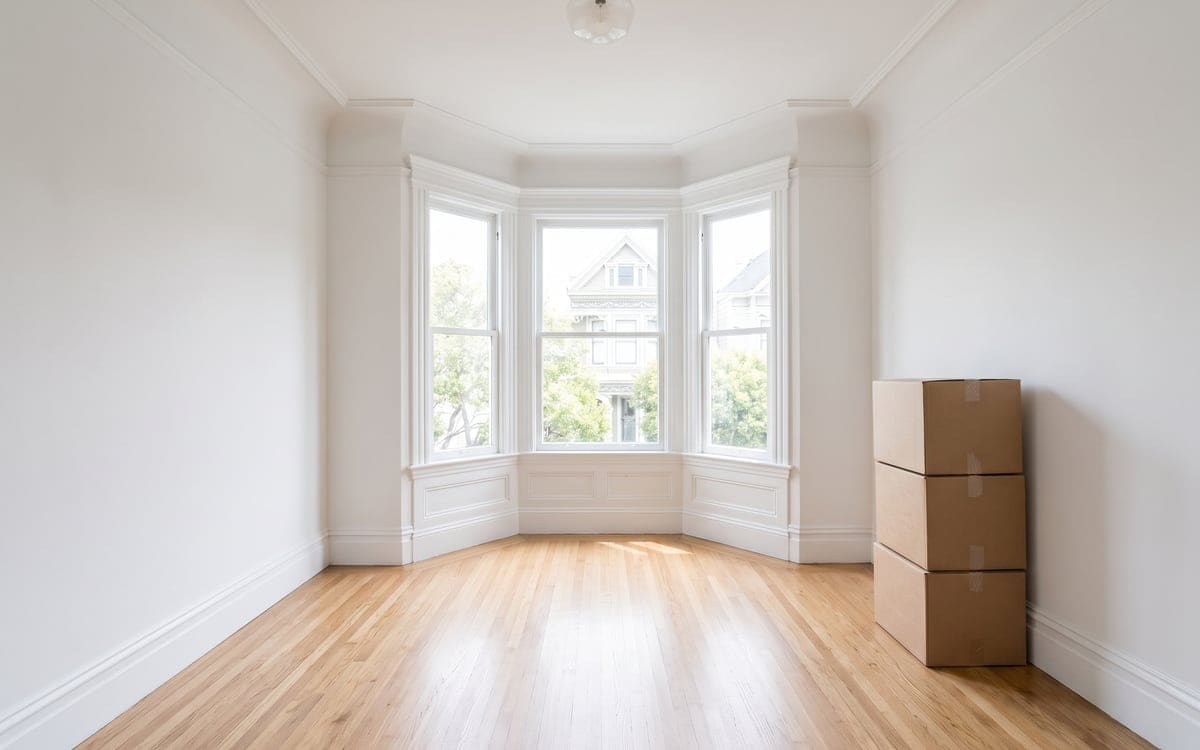
The standard is the unit at move-in, not spotless
California law lets a landlord use the deposit for the cleaning necessary to return the unit to the same level of cleanliness it was in at the inception of the tenancy. The statute does not call for a spotless home; it names the condition at move-in.
Reading the lease and walking the home the day you move in gives you the baseline. The further the home has drifted from that baseline, the more a cleaning has to do before the keys go back.
Start high and finish with the floors
Work from the back of the home toward the door, and inside each room work from the top down. High dusting is from the floor with an extendable duster, and anything out of reach stays alone; standing on a tub edge, a counter or a chair is how people hurt themselves on move-out day. The sequence below is one way to keep the whole home on a single page.
A move-out room order
Work from the back of the home toward the door, and from high to low in every room.
Bedrooms and closets
Shelves, rods, sills and the floor.
Bathrooms
Top to bottom, the floor last.
The kitchen
Inside every cabinet, drawer and appliance.
The living room
Frames, sills, switch plates and corners.
The entry and the floors
Back toward the front door.
The kitchen: inside every cabinet, drawer and appliance
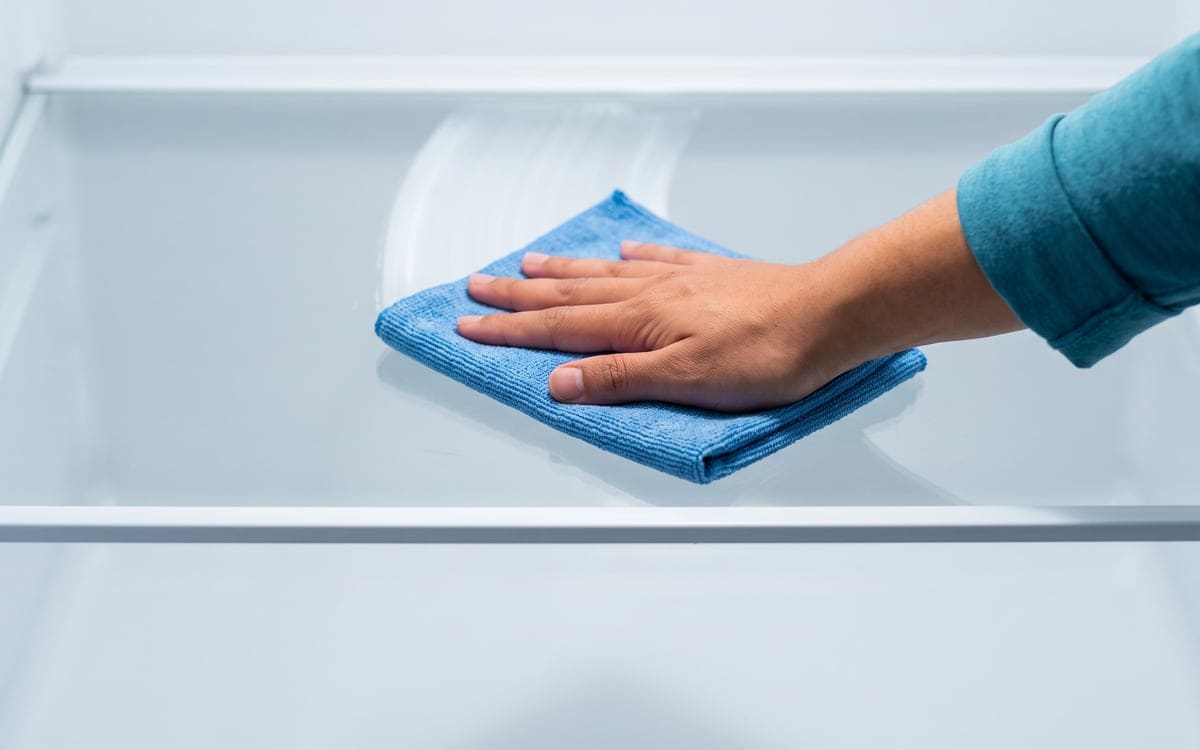
The kitchen takes the longest list and runs top down. Hood and the top of the cabinets, dusted from the floor. Cabinet fronts and insides, drawer by drawer. The fridge empty, both compartments wiped, the shelves washed in the sink and dried. The oven racks out, the inside wiped, the racks back in. The stovetop apart as the manual shows, the drip pans and grates cleaned, then back together. Counters wiped twice: once for crumbs, once for the sticky ring under the toaster. The sink around the rim and under the lip of the faucet. Open every drawer. Crumbs at the back of a cutlery drawer are the first thing the next tenant will see.
Bleach never meets ammonia, vinegar or any other cleaner. If a product is old or near the bottom and you want it off your hands, SF Environment says some household items are hazardous waste that should not go in the black, green or blue bin, and residents can request a free home pickup instead.
Bathrooms, top to bottom
Start with the tub or shower, because the glass and tile take the longest to dry. Scrub the grout where it has darkened and the drain where hair has settled. The toilet gets the bowl, the seat, the hinges, the rim and the base. The vanity, the mirror, the inside of the medicine cabinet, the baseboards behind the door and the handle on the door come after. Sunset District tract houses often had colorful ceramic tile in the bathrooms and kitchens and wood or parquet floors, so an older home in that part of the city may show those finishes under the dust.
Closets, shelves and the small spaces furniture hid
Every closet gets a look inside, including the hall closet. Pull old shelf liners, wipe each shelf you can reach standing on the floor, and vacuum the closet floor with a wand attachment. Shelves above shoulder height are dusted from the floor, nothing climbed. The same goes for the top of the pantry, the linen closet and the shelf above the washer and dryer if the unit has one. Check every wall and the inside of every cabinet door for anything taped there, since it is easy to miss once the furniture is out but a walk-through turns it up.
Windows from the inside, sills and tracks
Clean the inside glass with a flat squeegee or a lint-free cloth, and then the track. Window tracks are where dust, pollen and dead flies collect, and a cotton swab is often the right tool. Sills get a wipe. The outside of a window is for a window cleaner, not for a renter leaning out, no matter which story the apartment sits on. The same rule applies to a bay window or any sash you cannot reach standing on the floor inside.
Walls, switch plates and doors get spot cleaning, not paint
An empty room shows the scuffs on the walls, the nail holes beside the windows and the prints above the switches. A soft damp cloth catches light scuffs on a wall that is in good shape; test a hidden spot first. Peeling, flaking or damaged paint belongs to the landlord or a painter and should not be sanded or dry-swept. Wipe switch plates and door handles. Dust the baseboards and the tops of door and window frames that you can reach from the floor.
Ordinary wear and tear is not a cleaning charge
California law bars a landlord from claiming against the deposit for ordinary wear and tear or for conditions that preexisted the tenancy. The same statute bars a landlord from charging a tenant for professional carpet cleaning or other professional cleaning unless it is reasonably necessary to return the unit to its move-in condition, exclusive of ordinary wear and tear. That covers carpet as well as the rest of the home.
Photos now bracket any cleaning deduction
Since April 1, 2025, California landlords must photograph a returned unit before any repairs or cleanings they deduct for, and for leases starting on or after July 1, 2025 they must also photograph it at move-in. Keep your own photos too, before the cleaner comes and after, so the record covers both sides of any cleaning deduction.
You can ask for an inspection before you move out
California law also lets a tenant ask the landlord for an initial inspection before the tenancy ends. After the inspection, the landlord gives the tenant an itemized statement of the repairs or cleanings the landlord proposes to deduct for.
If the landlord ends up deducting for cleaning done by an outside company, the landlord must give the tenant a copy of that company's bill, invoice or receipt with the itemized statement.
San Francisco's three bins on move-out day
San Francisco requires everyone to separate recyclables, compostables and trash into the blue, green and black bins. Kitchen scraps and soiled paper go in the green bin; the other bin pairings depend on what the SF Recycles item page says for a given object.
Old cleaning products belong in none of the three bins. Residents can request a free home pickup for household hazardous waste. The resident books it, so the drop-off happens with the home the products came from and not with the cleaner. Keep leftover products in their original containers, and never mix them together.
Room by room, what to clean
The sheet below is one way to carry the sequence on a single page, with the easy-to-miss spots next to each room.
| Room | What to clean | Easy to miss |
|---|---|---|
| Kitchen | Inside and outside of the fridge and oven, stovetop pieces, hood, cabinet fronts and interiors you can reach, drawers, counters, sink | The front edge under the fridge, the backs of drawers, under the toaster |
| Bathrooms | Tub or shower, tile and grout, toilet inside and out, vanity, mirror, baseboards | Behind the toilet, inside the medicine cabinet, the shower-door track |
| Bedrooms | Baseboards, window and door frames you can reach, vents, closet floor and reachable shelves | Behind the door, the inside of the closet door, where the bed stood |
| Living areas | Switch plates, baseboards, window sills, scuffs on walls | Cords and the floor around the TV, where the couch stood |
| Floors | Vacuum carpets, damp-mop hard floors, work toward the door | Transitions between rooms, the front edge under the stove, closet carpet |
| Entry | Mop the entry twice, wipe the inside of the door | Door frame, threshold, mail slot |
What belongs to the landlord or another trade
Carpet shampooing and extraction, upholstery, outside windows above the ground floor, pressure washing, duct cleaning, pest work and mold work are other trades. Peeling paint on an older window frame belongs to the landlord or a painter and is not sanded. If the whole empty place needs a crew, a move-out cleaning works through the home from top down, and the next place can be cleaned before the furniture arrives. What a standard visit covers has the shorter list for the home you are moving into.